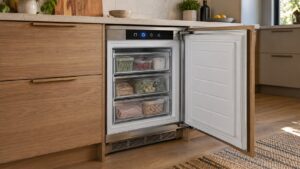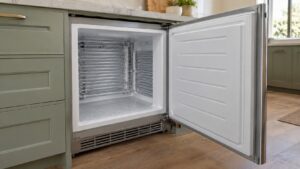

This guide covers Maintaining A U-Line Convertible Freezer with practical, technician-backed advice.
A U-Line convertible freezer earns its name by switching between refrigerator and freezer modes, which makes it a flexible piece of built-in equipment but also means it depends on consistent maintenance to perform well in either mode. Frost buildup is the most common issue owners notice over time, and it’s largely preventable with a routine that takes only a few minutes every month or two.
Understanding the Maintaining A U-Line Convertible Freezer
Below, our specialists break down everything you need to know about the Maintaining A U-Line Convertible Freezer.
Why frost builds up in a U-Line convertible freezer
Frost accumulates when humid air reaches the cold evaporator surface faster than the unit’s defrost cycle can clear it, or when the defrost cycle itself is interrupted. Frequent door openings, a door left slightly ajar, or a gasket that’s lost its seal all introduce more moisture than the system is designed to handle continuously. Because convertible units cycle between modes, the internal environment changes more than in a dedicated freezer, which makes gasket condition and door discipline especially important.
A regular maintenance routine
- Inspect the door gasket monthly — run a hand along the seal feeling for stiffness, cracking, or spots that don’t sit flush against the cabinet, since a compromised gasket is the single biggest contributor to frost.
- Clean the condenser grille every few months — dust and lint restrict airflow and make the compressor work harder, which can indirectly affect how well the defrost cycle keeps up with frost formation.
- Avoid propping the door open — even short periods with the door ajar let in more humid air than a normal open-and-close cycle, so it’s worth being deliberate about how long the door stays open while loading or unloading.
- Keep interior vents clear — items stored directly against the internal air vents disrupt circulation and can create localized cold spots where frost forms more readily.
- Wipe down interior surfaces during a defrost cycle — if manual defrosting is ever needed, drying the interior fully afterward prevents residual moisture from refreezing into a fresh layer of frost.
- Check the digital touch pad periodically — the cleaning indicator and any displayed error codes are worth a glance during routine maintenance, since catching an E-series code early can prevent a bigger issue.
Mode-switching considerations
Switching a convertible unit between refrigerator and freezer mode changes the internal temperature substantially, and it’s normal for some condensation to appear briefly during the transition as the interior stabilizes. Giving the unit time to reach its new setpoint before loading it heavily helps the system adjust smoothly and reduces the odds of frost forming during the changeover. If frost consistently reappears within days of a manual defrost regardless of gasket condition and door habits, that pattern points to a defrost cycle that isn’t completing correctly.
When maintenance isn’t enough
Routine cleaning and gasket care resolve the majority of frost complaints, but a defrost heater, thermostat, or timer that isn’t functioning is outside the scope of owner maintenance and calls for a technician who can test those components directly. If frost keeps returning despite an intact gasket, clear vents, and reasonable door habits, unplug the unit, let it fully thaw and dry, and have a qualified technician evaluate the defrost system before frost buildup starts affecting cooling performance more broadly.
Seasonal habits worth building in
Beyond the monthly and periodic checks, it helps to build a couple of seasonal habits into how you use a convertible freezer, particularly around times of year when usage patterns change the most. Before a holiday season or any stretch where the freezer will see heavier use and more frequent door openings, a quick gasket check and grille cleaning ahead of time means the unit starts that busier period in good shape rather than already fighting a maintenance backlog. The same goes for switching the unit’s mode seasonally, if that’s part of how your household uses it — giving it a clean start with a wiped-down interior each time you switch modes reduces the odds of frost getting a head start during the transition.
Keeping a rough mental note of how often you’ve had to manually address frost over the past year is also a useful gauge of whether maintenance habits are actually working. A unit that needed a manual defrost once during a hot summer is very different from one that needs attention every few weeks regardless of season, and that frequency is one of the clearest signals for whether it’s time to have the defrost system itself checked by a technician.
U-Line freezers are built and documented by the manufacturer in Milwaukee. Manufacturer specifications and use-and-care guides are published at u-line.com.