When a U-Line ice maker stops producing full-size cubes, makes only partial or hollow ice, or shuts down altogether, a water supply problem is one of the first things worth ruling out. Because these units connect directly to a household water line, anything that restricts, slows, or interrupts that flow will show up as an ice-making symptom even though the actual problem is upstream of the machine itself.
Likely causes of a U-Line ice maker water supply problem
Water delivery issues generally trace back to one of these areas:
- Closed or partially closed shutoff valve. The dedicated valve feeding the unit may have been bumped, only partially reopened after other plumbing work, or never fully opened during installation.
- Kinked or pinched supply line. The flexible line running from the shutoff to the back of the unit can get crimped if the cabinet was pushed too far against the wall or if the line was routed awkwardly during install.
- Clogged inline water filter. A saturated or overdue filter cartridge restricts flow, which reduces ice volume before it stops production completely.
- Frozen supply line. If the line runs near an unusually cold spot, or the unit’s internal temperature is set too low, the water feeding the ice maker can freeze inside the tubing.
- Sediment or mineral buildup. Hard water can leave mineral deposits inside the fill line or the inlet valve screen over time, gradually narrowing the water path.
- Inlet valve failure. The water inlet valve itself can fail electrically or mechanically, in which case water may be present right up to the valve but not making it into the ice-making compartment.
What you can check yourself
Unplug the unit before doing any physical inspection, and shut off the water supply valve before disconnecting any fitting.
- Locate the dedicated shutoff valve and confirm it is turned fully to the open position.
- Trace the visible portion of the supply line from the valve to the back of the unit, checking for any sharp bends, kinks, or spots where it’s pinched against the cabinet or wall.
- Check the water filter’s install date or indicator, if the unit has one, and note whether it is due for replacement.
- Confirm the unit hasn’t been pushed too tightly into its cabinet opening, which can compress the rear supply line.
- Feel the supply line for any sections that seem unusually cold or icy to the touch, which can indicate a partial freeze.
- Verify that household water pressure is adequate by checking another fixture on the same line.
How a water supply issue shows up in the ice itself
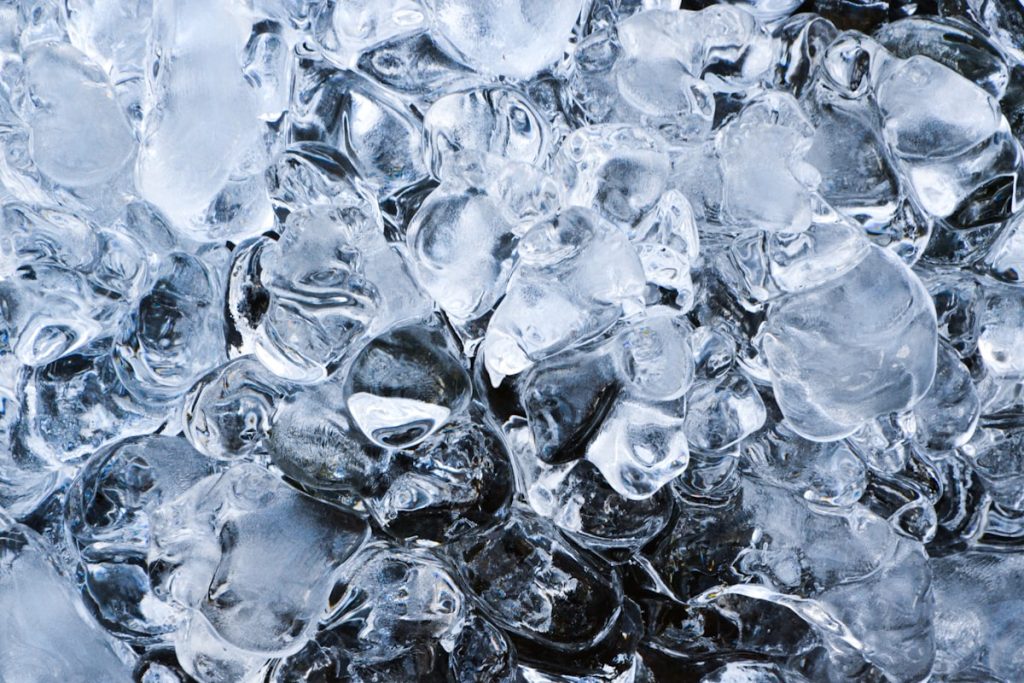
The specific way the ice looks can offer a clue about how severe the restriction is. A partial reduction in flow, from a nearly clogged filter or a slightly kinked line, tends to produce smaller cubes or noticeably slower production rather than a complete stoppage. A fully blocked line, frozen section, or closed shutoff valve, on the other hand, usually results in the ice maker cycling through its motions without producing any ice at all. Paying attention to whether the problem developed gradually or appeared suddenly can also help narrow down the cause, since a gradual decline points more toward filter or mineral buildup, while a sudden stop often points to something mechanical, like a valve failure or a line that was disturbed.
When to call a technician
If the shutoff valve is open, the line is free of visible kinks, and water pressure elsewhere in the home is normal, but the ice maker still isn’t receiving water, the problem is likely inside the unit — most often the water inlet valve, a clogged internal fill tube, or a control board issue that prevents the valve from opening on cycle. These components require disassembly and, in some cases, testing with a multimeter, which is a job for a qualified appliance technician. A professional can also flush mineral deposits from internal lines safely without damaging fittings that are easy to overtighten or crack by hand.
Replacing an overdue water filter and confirming the shutoff valve is fully open are the two lowest-risk steps to try first, since both are common, low-cost causes that don’t require touching any internal wiring or refrigerant components. If those steps don’t resolve the issue, documenting what you’ve already checked will help a technician move straight to the more likely internal causes rather than repeating the same basic checks.
U-Line ice machines are built and documented by the manufacturer in Milwaukee. Original documentation for these units is available from the manufacturer, u-line.com.