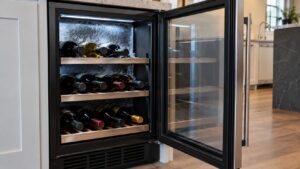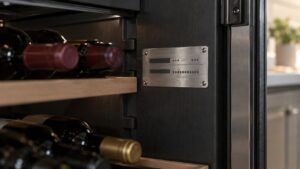

This guide covers U-Line Wine Cooler Door Not with practical, technician-backed advice.
A U-Line wine cooler with a door that won’t seal properly can quietly undermine the stable temperature and humidity your wine collection depends on. Even a small gap around the door lets warm, dry air infiltrate the cabinet, which can cause temperature swings and, over time, affect cork condition. Because wine coolers run at narrower temperature margins than a standard refrigerator, a sealing issue tends to show up sooner in the form of temperature fluctuation or condensation than it would in a general-purpose fridge.
Understanding the U-Line Wine Cooler Door Not
Below, our specialists break down everything you need to know about the U-Line Wine Cooler Door Not.
Likely causes of a poor door seal
Several factors commonly lead to a wine cooler door not sealing properly:
- Worn or compressed gasket — the flexible gasket around the door frame can lose its shape over years of use, especially in the areas that see the most contact when the door closes.
- Hinge wear or looseness — hinges that have loosened slightly can let the door hang unevenly, creating a gap along one edge even when the door appears shut.
- Unit not level — if the cabinet isn’t level, gravity can pull the door slightly open or prevent even gasket contact all the way around the frame.
- Soft-close mechanism misalignment — U-Line’s soft-close door hardware is designed to ease the door into a fully seated position; if it drifts out of adjustment, the door may stop just short of a complete seal.
- Debris or residue on the gasket or frame — dust, spilled wine, or general residue on the sealing surface can prevent the gasket from making full contact.
What you can check yourself
Unplug the wine cooler before inspecting or cleaning the door area, and go through these checks:
- Wipe down the gasket and the door frame it contacts with a soft cloth to remove any dust, residue, or spilled liquid that could be breaking the seal.
- Inspect the gasket closely for cracks, flattening, or areas where it has pulled away from the door.
- Run the dollar-bill test around the full perimeter of the door — close it on a strip of paper and check for resistance when pulling it out at several points.
- Check the unit’s level with a bubble level and adjust the leveling feet if it’s tilted in either direction.
- Open and close the door slowly and watch whether the soft-close mechanism pulls it evenly shut on both sides or lags on one.
- Look for visible gaps by shining a flashlight around the door frame from inside a darkened room with the cooler’s interior light off.
When to call a technician
If the gasket and hinges look intact and the unit is level, but a gap is still visible or the dollar-bill test shows weak resistance around part of the door, the door itself may be warped or the hinge assembly may need adjustment work that goes beyond a simple gasket swap. A technician can also determine whether gasket replacement will fully resolve the issue or whether the door needs realignment on its hinges. Because wine storage temperature and humidity are more sensitive to small air leaks than typical refrigeration, it’s worth addressing a sealing problem promptly rather than letting the compressor run longer cycles to compensate for the leak.
It’s also worth considering how long the unit has been in service when a sealing problem develops. A cooler that has run reliably for years and only recently developed a seal issue is more likely dealing with straightforward gasket wear that responds well to a simple replacement. A newer unit with a sealing problem shortly after installation may point instead toward a hinge or door alignment issue introduced during setup, which is worth flagging specifically when describing the problem to a technician.
In the meantime, while you’re troubleshooting or waiting for service, avoid compensating for a poor seal by propping the door differently or forcing it shut harder than normal, since this can accelerate wear on the hinges or gasket and make the eventual repair more involved than it needs to be.
Temperature and humidity swings in the surrounding room can also make a marginal seal issue more noticeable at certain times of year. A gasket that seals adequately in a stable, climate-controlled room may show its weakness more clearly during a hot summer stretch or a particularly dry winter, since materials expand and contract slightly with ambient conditions. If a sealing issue seems to come and go seasonally, mention that pattern to a technician, since it can help distinguish a gasket nearing the end of its useful life from a door alignment problem that would behave more consistently year-round.
U-Line wine coolers are built and documented by the manufacturer in Milwaukee. You can confirm model details and manuals on the manufacturer’s site, u-line.com.