This guide covers U-Line Tips For Storing Wine with practical, technician-backed advice.
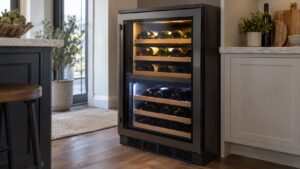
Owning a U-Line wine fridge is a good first step toward storing wine properly, but the way it’s set up and loaded day to day makes a real difference in how well it protects what’s inside. A few adjustments to habits around temperature, positioning, and airflow go a long way toward getting the most out of the cabinet’s design.
Understanding the U-Line Tips For Storing Wine
Below, our specialists break down everything you need to know about the U-Line Tips For Storing Wine.
Set temperature zones to match what you’re storing
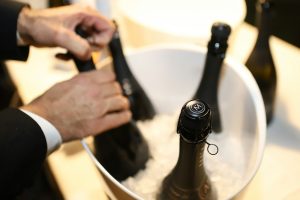
If your unit has multiple zones, use them deliberately rather than treating both sides the same — reds generally prefer a slightly warmer range than whites and sparkling wines, and setting each zone accordingly means bottles are always ready closer to their ideal serving temperature. Avoid making frequent, small adjustments to the setpoint, since wine benefits from stable, consistent temperature far more than it benefits from being at any single ‘perfect’ number that keeps shifting.
Store bottles on their side
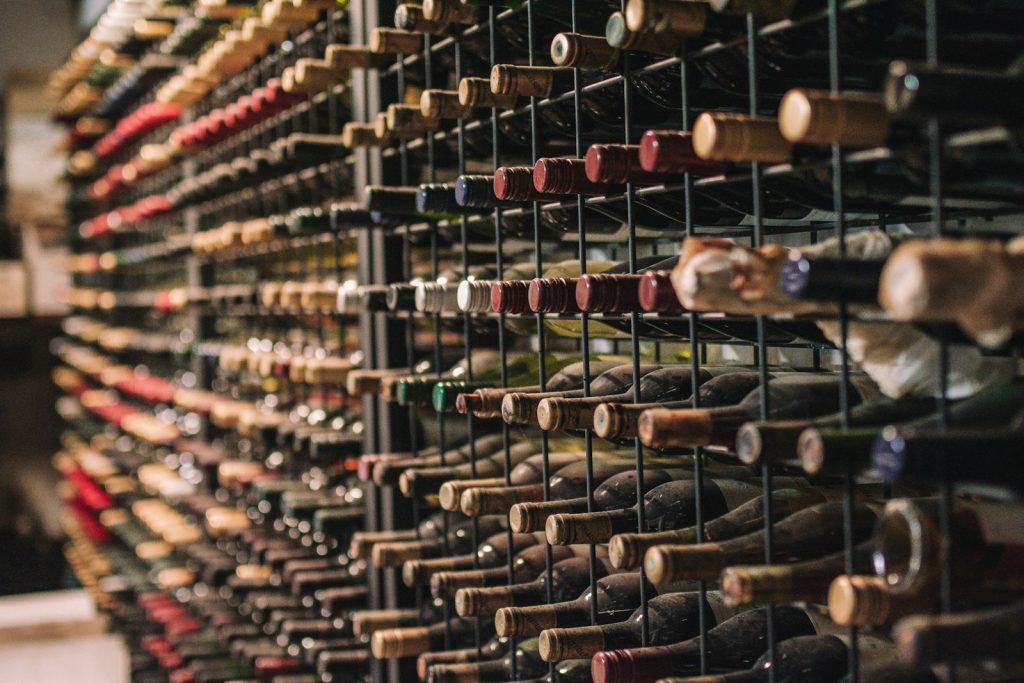
Most wine fridge racking is designed for horizontal storage, and there’s a practical reason for it: keeping the cork in contact with the wine prevents it from drying out and shrinking, which would otherwise let air seep into the bottle over time. This matters most for wines meant to be aged for a longer period, though it’s a good habit for all cork-finished bottles stored for more than a few weeks.
Don’t overload the cabinet
It’s tempting to fill every available slot, but packing bottles too tightly restricts the internal airflow the unit relies on to keep temperature even throughout the cabinet. Leaving some room for air to circulate, especially around the interior vents, helps the fridge maintain consistent conditions rather than developing warmer pockets in areas where bottles are packed against each other.
Keep the door seal in good condition
The soft-close door and gasket are what keep the cabinet’s climate stable, and a seal that’s lost its tightness lets in warm, humid air that disrupts both temperature and the humidity level around the corks. Periodically checking the gasket for gaps is a small habit that protects the investment in both the appliance and whatever’s stored inside it.
Mind light and vibration
- Limit light exposure — UV light can degrade wine over time, so keeping the unit’s door closed when not actively selecting a bottle helps protect anything stored for the longer term.
- Keep vibration to a minimum — placing the unit somewhere it won’t experience regular vibration, and avoiding using the top of the cabinet as a surface for anything that causes movement, helps preserve wine that’s meant to age gracefully.
- Rotate stock sensibly — organize bottles so older or shorter-term wines are accessible and get used before they’re stored longer than intended, rather than letting bottles get pushed to the back and forgotten.
Watch for signs something’s off
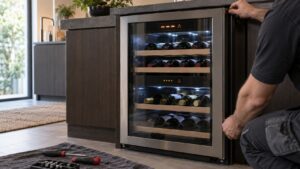
If a particular zone seems to be drifting from its setpoint, or the display shows an error code, address it before it affects the wine rather than after — extended exposure to the wrong temperature can affect flavor and aging in ways that aren’t reversible. Treating the fridge’s climate control as something to monitor occasionally, not just set once and forget, is the simplest way to make sure it’s actually doing its job for the wine inside.
Organizing bottles for both access and preservation
Beyond temperature and humidity, how bottles are physically organized within the cabinet affects both how well they age and how practical the fridge is to actually use day to day. Grouping bottles by how soon you expect to drink them, rather than purely by type or vintage, means you’re not constantly shifting bottles around to reach something near the back. Leaving a bottle or two of easy-access, near-term drinking wine toward the front reduces how often the door needs to stay open while you search, which in turn reduces the temperature fluctuation the cabinet has to recover from.
For anyone building a longer-term collection rather than just keeping a rotating stock of near-term bottles, it’s worth keeping a simple written or digital log of what’s stored where and roughly when each bottle should be at its best. This isn’t strictly about appliance care, but a wine fridge that’s well organized is also easier to monitor for temperature or humidity issues, since you’ll notice sooner if something seems off with a particular section of the cabinet rather than only discovering a problem once a bottle is opened.
U-Line wine refrigerators are built and documented by the manufacturer in Milwaukee. Original documentation for these units is available from the manufacturer, u-line.com.